
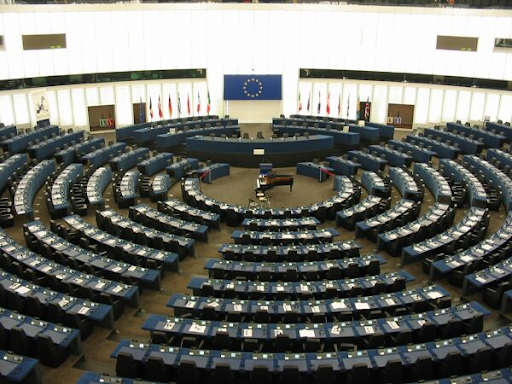
Brussels has formally suspended the ratification of its trade agreement with the United States following President Trump’s linkage of tariff threats with his Greenland ambitions. European lawmakers have described this approach as blackmail, prompting the parliament’s most significant material response to the escalating crisis.
According to Bernd Lange, chairman of the European Parliament’s trade committee, the pathway to compromise remains blocked while Greenland-related threats continue. The frozen trade deal had been designed to grant American industrial exporters zero-tariff access to European markets across multiple sectors.
The European Union has maintained its $750 billion energy purchase commitment, which officials confirm operates separately from the suspended trade agreement. This strategic separation allows Brussels to preserve essential energy cooperation while defending political autonomy.
The diplomatic snub became strikingly visible against the backdrop of the World Economic Forum in Davos, where President Trump was in attendance. European Commission President Ursula von der Leyen, after addressing parliament, cancelled her planned detour to the Swiss resort town, choosing instead to return directly to Brussels. This deliberate avoidance of a potential encounter with Trump underscored the depth of transatlantic tensions as she prepared for an emergency summit.
The Thursday evening crisis summit will address the full range of options available to Brussels should Washington proceed with its threatened tariffs. European leaders will discuss imposing €93 billion in counter-tariffs on American exports and potentially activating an unprecedented anti-coercion mechanism. Originally designed to counter Chinese pressure, this could restrict US companies from European market access.