
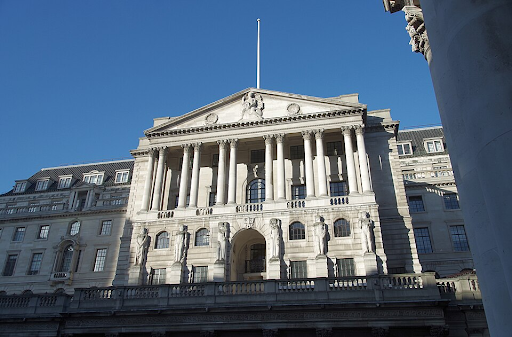
The ghost at the feast of the Bank of England’s rate cut is the specter of a wage-price spiral. Regional agents reported that employers plan to raise wages by 3.5% in 2026. While good for workers, this number terrifies the “hawks” on the MPC. They voted against the rate cut because they believe this level of pay growth is incompatible with the 2% inflation target.
If companies pay staff 3.5% more, they usually raise prices to maintain profit margins. This causes inflation to stay high, which leads workers to demand even higher wages next year. Breaking this cycle is the Bank’s hardest job. The 5-4 vote shows that nearly half the committee thinks the cycle is still spinning and that cutting rates now is throwing fuel on the fire.
The “doves” argue that the economic slowdown will naturally kill the spiral. They believe that as unemployment rises and profits squeeze, companies will stop offering high pay rises. They see the 3.5% figure as a lagging expectation, not a reality.
However, if the doves are wrong and the 3.5% pay deals go through, the Bank will be in a bind. They might have to stop cutting rates or even raise them again in mid-2026. This would be a disaster for mortgage holders and could plunge the economy into a deeper recession.
The wage data in the first few months of 2026 will be the most important numbers in the UK. They will determine whether the rate cut was a masterstroke or a mistake. The battle between fair pay and stable prices is the defining economic conflict of the year.